
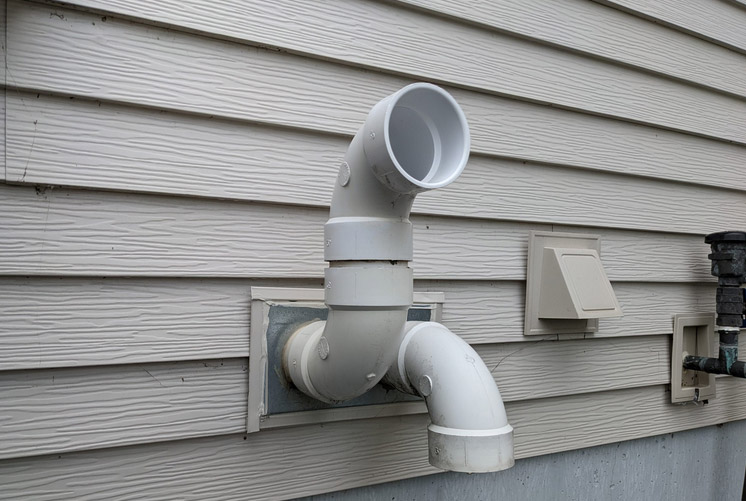
Climate Works offers expert Winter & Carbon Monoxide: Maintaining Your Furnace Exhaust Vents installation and service for homes in Ottawa and the National Capital Region. Contact us today to learn more.
In the middle of a cold and snowy winter day, the last thing you want is for your furnace to suddenly stop heating your home. Lately, you’ve probably seen warnings online urging you to clear your furnace vent outside — but what exactly does that mean?
Spoiler: it has nothing to do with duct cleaning.
When snow, frost, or ice builds up around your furnace’s outdoor vent, it can block the exhaust, shut down your furnace, and even put your safety at risk. Let’s break down why this matters and what you need to do.
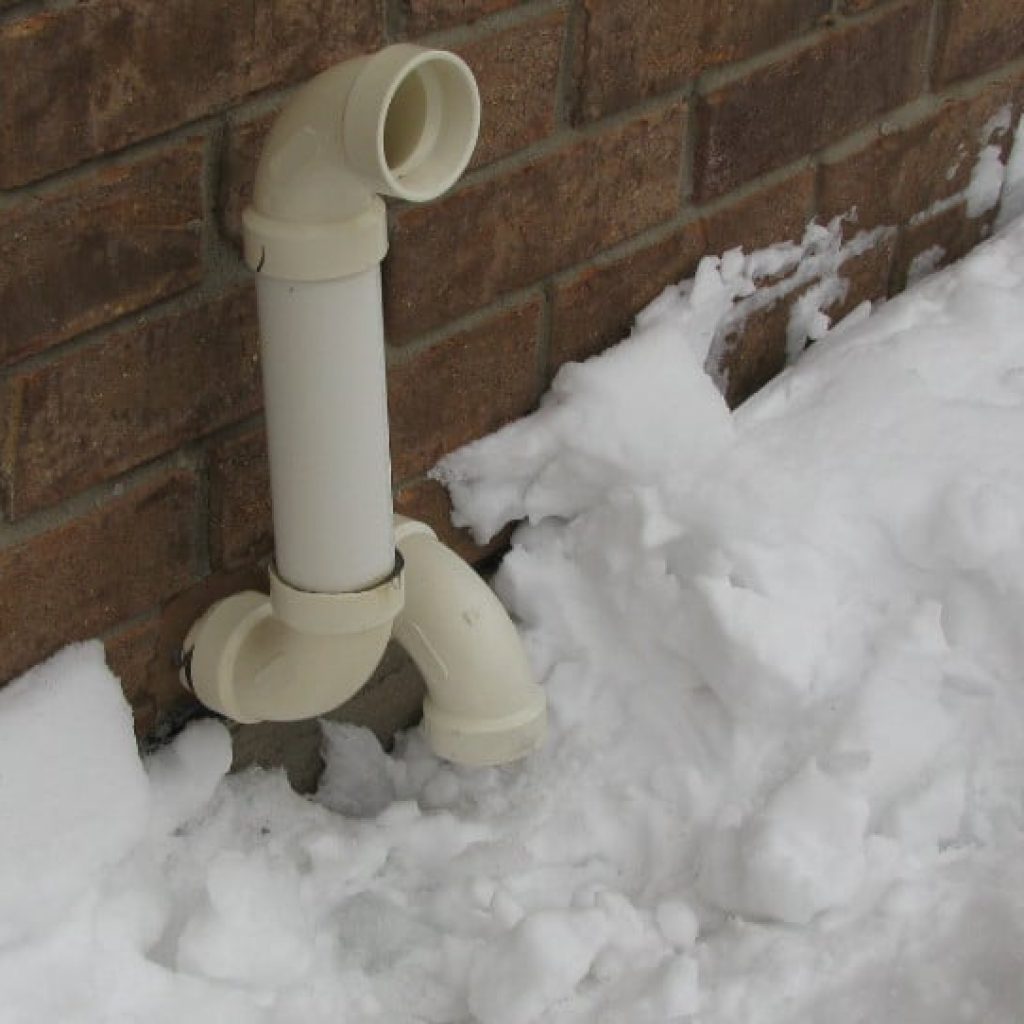
How a Furnace Vent Outside Works — And Why It Matters
Modern high-efficiency furnaces don’t vent exhaust through chimneys anymore. Instead, they use PVC exhaust pipes that exit through an exterior wall, often 1–2 feet above ground level. These pipes release two byproducts of natural gas combustion: water vapor and carbon monoxide (CO).
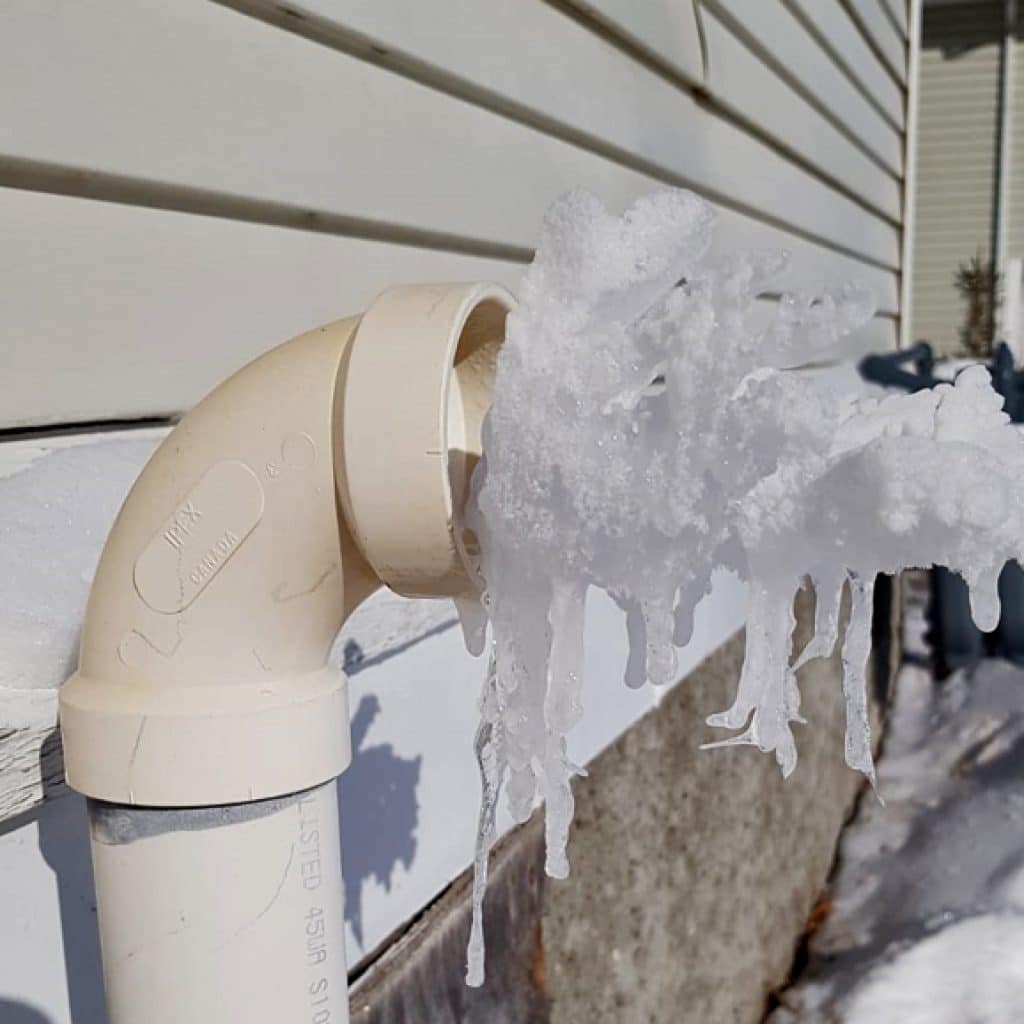
In freezing temperatures or during a snowstorm, these outside furnace vents can become clogged — either from snowdrifts or ice buildup. And because many furnaces are designed to shut off if CO levels are unsafe, a blocked vent can stop your furnace from working altogether.
Even if your furnace still runs, a partially blocked exhaust pipe can reduce efficiency and increase the risk of CO buildup in your home.
What to Do When Snow or Ice Blocks Your Furnace Vent
Clear Snow Around the Exhaust Pipe
During or after a snowfall, check your furnace vent outside. If there’s snow piled around or over it, clear it carefully by hand. Avoid using a shovel or snowblower — they can crack or dislodge the vent pipe.
This small maintenance task is crucial for keeping your furnace running safely and efficiently.
Remove Frost and Ice Safely
In extreme cold, frost can gradually accumulate around the vent. If you notice light frost, gently scrape it away with a plastic putty knife. Never use metal tools, as they may damage the vent.
For more serious ice buildup, a hairdryer (on high heat) can be used to melt ice inside and around the pipe. Plug it into an outdoor-rated extension cord, and always wear gloves. Never use a hairdryer when it’s snowing or raining due to the risk of electrocution.
How to Restart Your Furnace After Clearing the Vent
If your furnace shuts down because of a blocked vent, follow the manufacturer’s instructions to restart it after clearing the obstruction. If the furnace doesn’t come back on, or you’re unsure whether it’s safe to do so, call a professional.
At Climate Works, our licensed technicians can help you safely restore heat to your home.
Also, it’s good practice to inspect your furnace vent outside regularly throughout the winter — especially after every snowfall.
Why CO Dangers Make Furnace Venting So Important
Carbon monoxide (CO) is often called the “silent killer” because it’s invisible, tasteless, and odorless. It can cause severe illness or even death — especially if it’s trapped inside your home due to blocked furnace exhaust.
CO is produced when fuels like propane, natural gas, heating oil, or wood don’t burn completely in appliances such as furnaces, water heaters, and fireplaces. That’s why a clear furnace vent outside is so critical.
CO Poisoning Symptoms:
- Headaches
- Nausea or dizziness
- Fatigue or drowsiness
- Confusion
- Burning eyes
- Loss of consciousness
If anyone in your household experiences these symptoms, go outside immediately and call 911.
Even though CO detectors are legally required in homes, they aren’t foolproof — batteries die, plugs get pulled, and units can be installed in the wrong place. So your best defense is prevention: keep your furnace vent outside clear.
Final Thoughts
Taking a few minutes to check your furnace vent outside can protect your family, improve furnace performance, and help prevent costly mid-winter shutdowns. It’s a small task with major impact.
If you’re unsure whether your furnace is venting properly, or if your furnace won’t restart after a winter storm, contact the team at Climate Works for fast and professional help.
Commercial FAQ for Ottawa Homeowners
How a Furnace Vent Outside Works — And Why It Matters?
Modern high-efficiency furnaces don't vent exhaust through chimneys anymore. Instead, they use PVC exhaust pipes that exit through an exterior wall , often 1–2 feet above ground level. These pipes release two byproducts of natural gas combustion: water vapor and carbon monoxide (CO) . In freezing temperatures or during a snowstorm, these outside furnace vents can become clogged — either from snowdrifts or ice buildup.
What should homeowners know about clear Snow Around the Exhaust Pipe?
During or after a snowfall, check your furnace vent outside. If there’s snow piled around or over it, clear it carefully by hand. Avoid using a shovel or snowblower — they can crack or dislodge the vent pipe.
This small maintenance task is crucial for keeping your furnace running safely and efficiently.
What should homeowners know about remove Frost and Ice Safely?
In extreme cold, frost can gradually accumulate around the vent. If you notice light frost, gently scrape it away with a plastic putty knife. Never use metal tools, as they may damage the vent.
For more serious ice buildup, a hairdryer (on high heat) can be used to melt ice inside and around the pipe. Plug it into an outdoor-rated extension cord, and always wear gloves. Never use a hairdryer when it’s snowing or raining due to the risk of electrocution.
How to Restart Your Furnace After Clearing the Vent?
If your furnace shuts down because of a blocked vent, follow the manufacturer's instructions to restart it after clearing the obstruction. If the furnace doesn't come back on, or you're unsure whether it's safe to do so, call a professional. At Climate Works , our licensed technicians can help you safely restore heat to your home. Also, it's good practice to inspect your furnace vent outside regularly throughout the winter — especially after every snowfall.
Why CO Dangers Make Furnace Venting So Important?
Carbon monoxide (CO) is often called the “silent killer” because it’s invisible, tasteless, and odorless. It can cause severe illness or even death — especially if it’s trapped inside your home due to blocked furnace exhaust.
CO is produced when fuels like propane, natural gas, heating oil, or wood don’t burn completely in appliances such as furnaces, water heaters, and fireplaces. That’s why a clear furnace vent outside is so critical.
What should homeowners know about cO Poisoning Symptoms:?
Headaches Nausea or dizziness Fatigue or drowsiness Confusion Burning eyes Loss of consciousness If anyone in your household experiences these symptoms, go outside immediately and call 911 . Even though CO detectors are legally required in homes, they aren't foolproof — batteries die, plugs get pulled, and units can be installed in the wrong place. So your best defense is prevention: keep your furnace vent outside clear .
Contact Us
Ottawa (Headquarters)
2639 Pollock Rd.
Richmond, ON, K0A 2Z0
info@climateworks.ca |
613-838-9989
Need HVAC or plumbing help in Ottawa?
Climate Works provides heating, cooling, plumbing, and emergency service across the National Capital Region.
Get a Free Quote